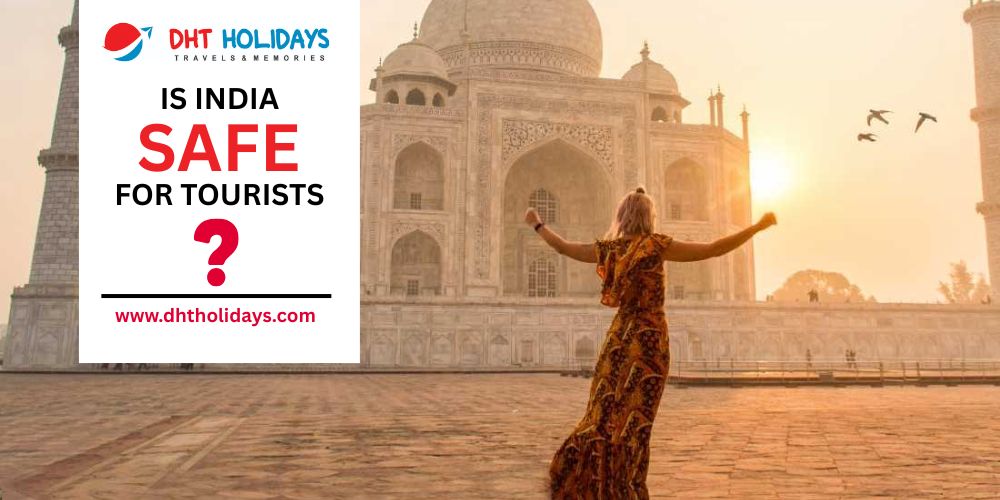
India is a land of vibrant festivals, ancient temples, majestic mountains, bustling cities, and warm hospitality. From the snow-covered peaks of the Himalayas to the serene backwaters of Kerala, millions of travelers visit every year to experience its diversity. But one common question remains in the minds of many first-time visitors: Is India safe for tourists?
The short answer is yes—India can be a safe and rewarding destination if you travel with awareness, preparation, and basic precautions. This complete travel safety guide will help you understand what to expect and how to explore confidently.
Understanding Safety in India
India is a vast country with 28 states and multiple cultures, languages, and lifestyles. Safety experiences can vary depending on the region, city, and travel style. Popular tourist destinations such as Jaipur, Udaipur, Goa, Kerala, and Rishikesh are generally well-prepared for international and domestic tourists.
Like any other country, India has areas that are extremely safe and others that require more caution. Major tourist hubs usually have strong police presence, tourism support services, and established hospitality infrastructure.
1. Personal Safety Tips
Personal safety in India largely depends on being aware of your surroundings and practicing common-sense travel habits.
- Avoid isolated areas at night.
- Use registered taxis or app-based ride services.
- Keep valuables secure and avoid displaying expensive items openly.
- Stay in well-reviewed hotels or homestays.
Women travelers often ask about safety. While many women travel solo across India without issues, it’s advisable to dress modestly in traditional areas and avoid traveling alone late at night in unfamiliar neighborhoods.
2. Health and Hygiene Precautions
India offers incredible street food and culinary experiences, but travelers should take some precautions:
- Drink bottled or filtered water.
- Avoid raw or undercooked foods.
- Carry hand sanitizer.
- Ensure routine vaccinations are up to date.
Travel insurance is highly recommended. Major cities have excellent private hospitals, but medical expenses can be high without coverage.
3. Transportation Safety
Transportation in India ranges from ultra-modern metro systems to crowded local buses.
- Use app-based cab services or hotel-arranged taxis.
- Book train tickets through official platforms.
- If using public transport, keep belongings close.
Air travel between major cities is generally safe and efficient. Domestic airlines connect tourist destinations quickly and reliably.
4. Scams and How to Avoid Them
Like many popular tourist destinations worldwide, India has occasional tourist scams. The most common include:
- Fake tour guides
- Overpriced taxis
- “Closed attraction” scams
- Currency exchange tricks
To stay safe:
- Book tours through reputable agencies.
- Confirm prices before services.
- Exchange money at authorized centers.
- Politely decline unsolicited help from strangers near major attractions.
5. Safe Tourist Destinations in India
Some regions are especially popular for their safety and tourism infrastructure.
The Golden Triangle
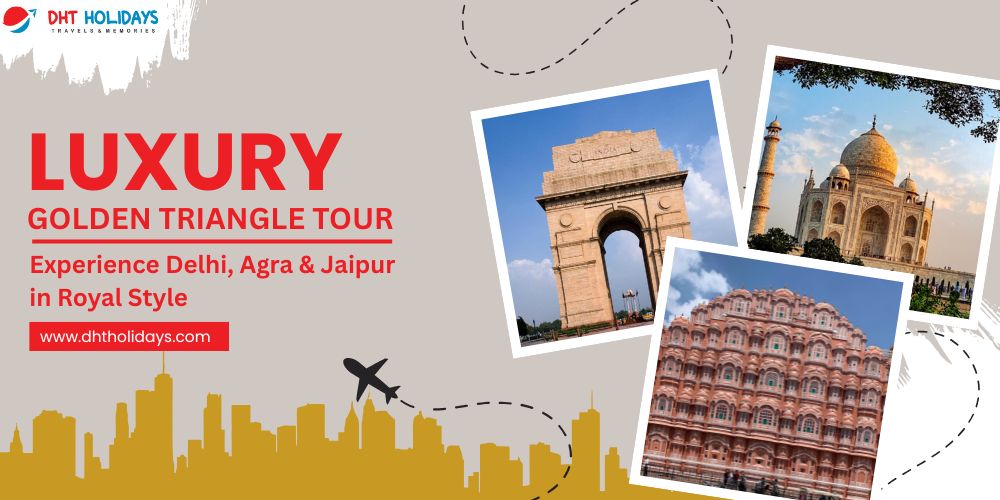
The famous Golden Triangle circuit connects Delhi, Agra, and Jaipur. This route is well-developed, heavily visited, and considered safe for tourists. Attractions like the Taj Mahal have strong security systems and tourist assistance services.
Kerala
Known for its backwaters and relaxed atmosphere, Kerala is often described as one of India’s safest and most welcoming regions. Its tourism infrastructure is organized, and locals are accustomed to international visitors.
Goa
Goa is famous for beaches and nightlife. While generally safe, travelers should be cautious during late-night outings and avoid excessive alcohol consumption.
6. Cultural Awareness and Respect
India is culturally diverse and deeply traditional in many areas. Respecting local customs enhances safety and overall experience.
- Dress modestly at religious sites.
- Remove shoes before entering temples or homes.
- Ask permission before photographing people.
- Avoid public displays of affection in conservative regions.
Learning a few Hindi phrases can also build trust and positive interactions with locals.
7. Government and Tourist Support
India has a dedicated Tourist Police in many major cities. Emergency numbers are:
- Police: 100
- Tourist Helpline: 1363
- Women’s Helpline: 181
The government has significantly improved safety measures, especially in major tourist destinations, railway stations, and airports.
Final Verdict: Is India Safe?
Yes, India is safe for tourists who travel smartly. Millions of travelers visit every year without major issues and leave with unforgettable memories. Like traveling anywhere in the world, preparation and awareness make all the difference.
India rewards curious and respectful travelers with extraordinary experiences—colorful festivals, spiritual journeys, wildlife safaris, culinary adventures, and warm hospitality.
If you plan carefully, stay informed, and follow practical safety tips, your trip to India can be not only safe but truly life-changing.
Would you like a region-wise safety breakdown or tips specifically for solo travelers?